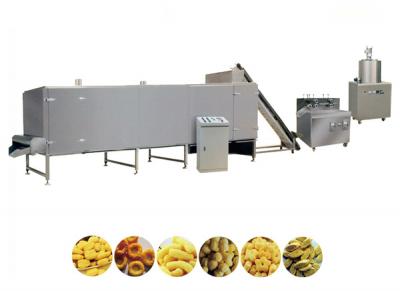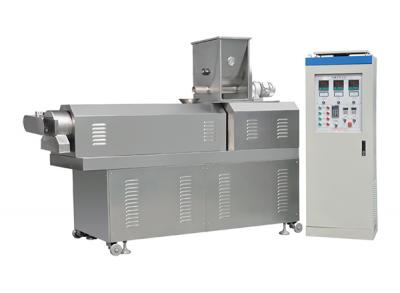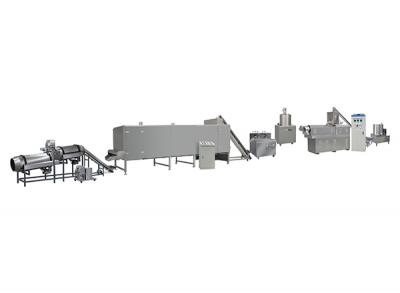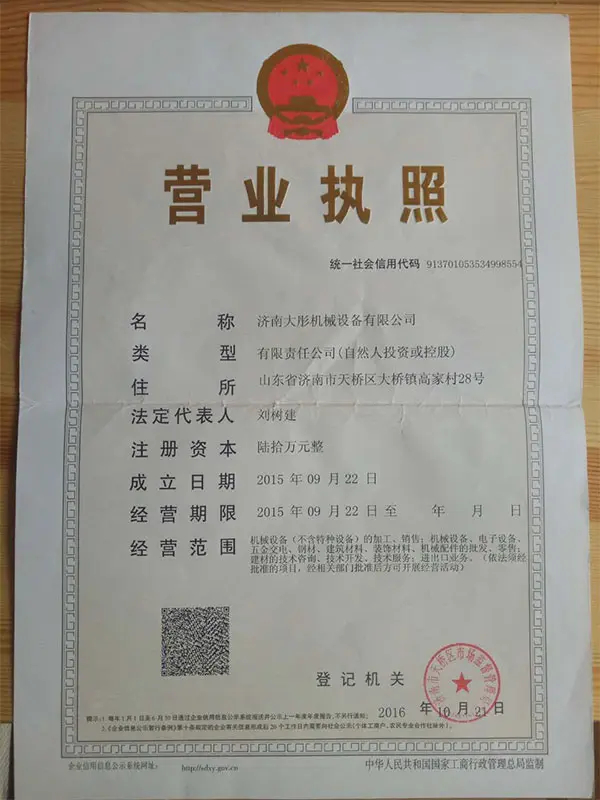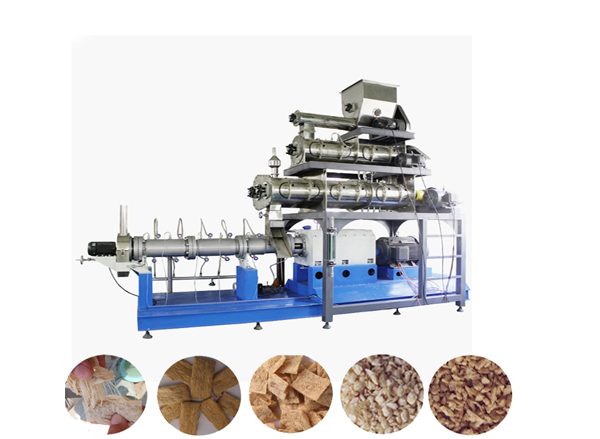
Textured soy protein equipment
The textured soy protein production line uses low-temperature soybean meal and peanut meal as raw materials. Through extrusion and puffing, the spherical protein molecules are opened and reorganized, forming a plant-based protein product with a lean meat-like fibrous structure and chewy texture. The finished product has high nutritional value, is free of cholesterol and animal fat, and features excellent oil retention, water retention, and chewiness. It is widely used in ham, sausage, canned food, fast food, frozen food, and other fields.
Eight core advantages: high temperature and high pressure eliminate harmful substances and unpleasant odors, promoting protein absorption; good oil retention without greasiness; ready to use after soaking in room temperature water for 30 minutes; contains eight essential nutrients for the human body, suitable for people with cardiovascular conditions; available in flake, chunk, granule forms, as well as natural color and various colors.
The series covers three models: SLG65-S to SLG85-S, with a production capacity ranging from 200 to 600 kg/h. The company provides recipe support and lifelong maintenance services.
Organized protein can replace isolated protein in meat products, which not only increases the protein content but also absorbs excess fat, making the product non-greasy and more meaty, achieving cost-effectiveness. Jinan Datong Machinery's improved texturized protein equipment has been developed by learning from domestic and international technologies and through experiments and research. The plant-based texturized protein produced by this equipment has a good granular structure and can be soaked to create various flavored vegetarian foods. During the processing of texturized protein, different flavors and seasonings can be added, which can then be incorporated into convenience foods and snacks to produce a variety of flavored food products.
Characteristics of soy textured protein:
Currently, textured soy protein is mainly produced from defatted soybean flour, soy protein concentrate, or soy protein isolate as raw materials, through mechanical and thermal processes such as mixing, extrusion, and puffing. It has high nutritional value and good functionality, with the following characteristics:
1. After extrusion and puffing in an extruder, the protein molecules are rearranged neatly, forming a unidirectional tissue structure similar to a porous meat-like texture, thus providing excellent water retention and chewiness.
2. Processed under short-term high temperature, high moisture, and high pressure, it eliminates various harmful substances contained in soybeans, enhances the human body's ability to absorb and digest protein, and significantly increases nutritional value.
3. During puffing, the rapid decompression and explosion at the outlet can remove the unpleasant odor of soybeans and reduce the gas-producing property of soybean protein after consumption;
4. Textured soy protein has good oil retention, making food products clean and non-greasy;
5. Convenient to use—simply soak in room-temperature water for 30 minutes, then add to make various foods;
6. Textured soy protein contains no cholesterol, so people with cardiovascular diseases can consume it with confidence;
7. Textured soy protein is an ideal plant protein, containing eight essential nutrients required by the human body;
8. Textured soy protein comes in forms such as flakes, chunks, and granules; in terms of color, it is available in natural and red, allowing for a wide range of applications.
The textured protein production line uses low-temperature soybean meal and peanut meal as the main raw materials. Through grinding, mixing, conditioning, high temperature, high pressure, and high shear, the spherical protein molecules are unfolded into chains and reorganized, forming a new type of food with a meat-like fibrous structure, resembling lean meat with a chewy texture. Its product has high nutritional value, possesses the texture and taste of meat, contains no cholesterol or animal fat, and has the characteristics of absorbing oil, water, and flavor. It is widely used in various industries such as ham, sausages, canned food, fast food, and frozen food.
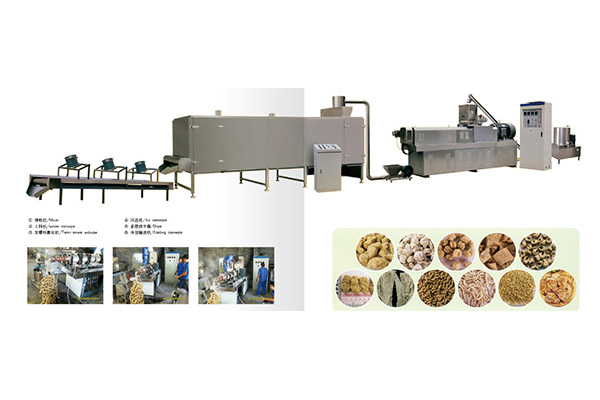
1. Soybean textured protein production line process: raw material preparation → mixing → conveying → extrusion puffing → conveying → drying → cooling
II. Soy textured protein equipment configuration: Mixer → Feeder → Extruder → Elevator → Multi-layer oven → Cooling conveyor
III. There are two main production lines for soy textured protein equipment
Model Parameter |
SLG65-S Textured Vegetable Protein Production Line |
SLG77 Textured protein production line |
SLG85-S Vegetarian meat food production line |
Main Motor Power |
45KW |
75.0 |
110KW |
Installed Capacity |
100KW |
150 |
190KW |
Actual power consumption |
65KW |
95.0 |
140KW |
Production capacity |
200-260kg/h |
400-600kg/h |
|
Dimensions |
15×2.0×4.0 |
20.0*2.0*4.0 |
30.0×2.0×4.0 |
IV. Process composition of textured soy protein equipment:
1. Powder mixer: Low-temperature soybean meal, isolated protein, and other mixed additives are thoroughly mixed with a certain proportion of water.
2. Feeder: Transports the mixed raw materials to the feed hopper of the extruder.
3. Extruder: After the raw materials enter the extrusion system from the feeder, pellets are produced, and different sizes of products can be obtained by changing the mold.
4. Elevator: Transports the products to the oven.
5. Multi-layer oven: Removes a certain amount of moisture for easy preservation.
6. Cooling conveyor: Cools to room temperature for easy packaging.