What are the common problems with feed extruders?
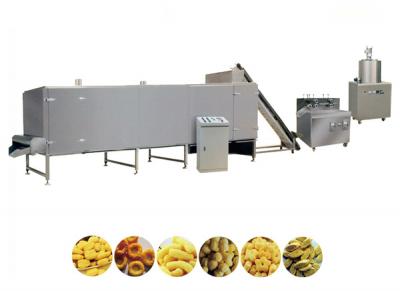
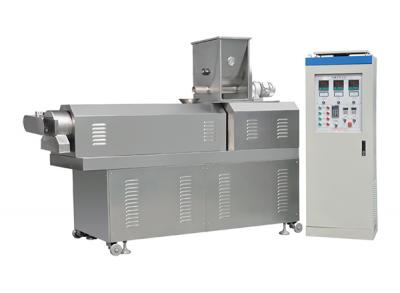
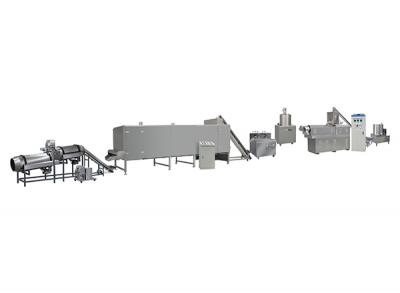
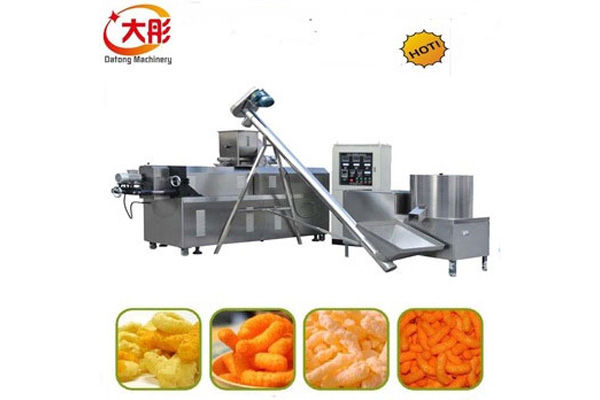
As the name suggests, an extruder is a device used for processing puffed food. The materials processed are generally common grains such as rice, corn, and soybeans. Its working principle is very easy to understand: it converts mechanical energy into thermal energy. Because the extruder in a factory needs to process a large amount of grain, it requires long-term operation, which can lead to various malfunctions. Today, Jinan Datong Machinery will introduce the common malfunctions of feed extruders.
1. Reasons for material spraying from the extruder
1. The extractor stops feeding, causing the workshop chain shutdown;
2. The feed inlet of the extruder's feeding auger has poor material flow;
3. The direct steam of the extruder is too high;
4. The material supply to the extruder decreases instantly;
5. High-level alarm of countercurrent dryer triggers interlock shutdown of extruder feed screw; handling method:
(1) When the extruder ejects material, first close the direct steam valve of the extruder on the computer or on-site, and retract the cone die head.
(2) Analyze the cause of material ejection and handle it accordingly;
(3) Eliminate the cause of the fault and clean the accumulated material at the outlet of the feed screw (when cleaning the screw, lock and cut off power to the main motor of the extruder and the feed screw; beware of burns from backflow steam).
(4) Unlock and power on the extruder to resume production.
II. Extruder belt slipping
1. The extruder drive belt is too loose, causing slipping;
2. The extruder load is too high (excessive feed rate, insufficient steam supply, poor discharge from the cone die head, etc.); handling method:
(1) If slippage occurs due to a loose belt, stop the extruder, lock the motor at the break point, and contact maintenance to tighten the belt.
(2) If belt slippage is caused by excessive load and is severe, first retract the cone die, reduce the steam valve opening, and decrease the feed rate of the extruder. Wait until the extruder motor current drops to normal levels, then adjust the feed rate and steam volume to resume production. When re-entering the die, monitor the extruder motor current changes. After normal operation is restored, gradually increase the feed rate and steam volume until the extruder reaches full load production. If the belt slippage is minor, simply adjust the steam volume or feed rate appropriately. Typically, adjust the steam volume.
3. Extruder power outage overload
1. When the extruder itself loses power, close the direct steam valve of the extruder, retract the cone die, and simultaneously open the indirect steam heating valve of the extruder barrel to keep the extruder and the material inside the barrel warm, preventing the material from sticking together and blocking the extruder after cooling, which would make startup difficult. After power is restored, start the extruder. If the extruder cannot be started within half an hour, manually turn the shaft to discharge the material inside the barrel.
2. When there is a complete power outage in the workshop, promptly open the bypass of the steam supply pneumatic valve of the extruder, close the direct steam valve of the extruder, and open the indirect steam valve of the extruder barrel to keep the extruder and the material inside the barrel warm. After power is restored, proceed with further processing.
The above is an introduction to common malfunctions of the extruder. We can repair the actual issues that arise based on these descriptions to avoid affecting the processing progress. If you want to learn more about extruders, welcome to consult Jinan Datong Machinery Co., Ltd., and we will serve you with dedication.