Characteristics and advantages of extruded floating fish feed in aquaculture
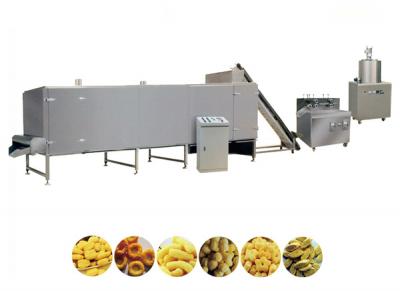
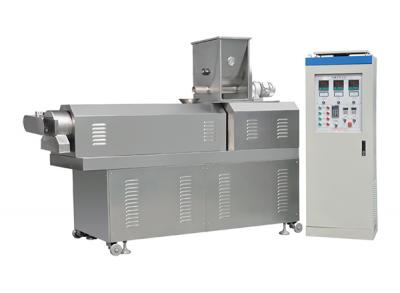
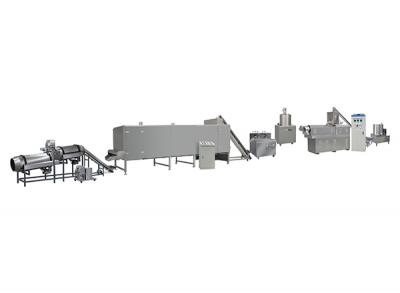
In order to improve the utilization and digestibility of feed, reduce the impact of feed on the aquatic environment, and enhance aquaculture production efficiency, aquatic science and technology workers have made unremitting efforts. By optimizing feed formulations, improving feed machinery quality, and refining processing techniques, significant economic and social benefits have been achieved. The use of extrusion processing methods to produce fish feed is an important research achievement in feed processing. Modern twin-screw extruders can produce floating, slow-sinking, and sinking feeds according to the needs of aquaculture production. Among them, extruded floating fish feed, due to its unique functions and effects that sinking feed cannot match, has been widely promoted and applied.
1. Extruded floating fish feed can remain on the water surface for a long time, facilitating feeding management and saving labor. Because it floats on the water surface for an extended period, it allows for easy observation of fish feeding behavior after feeding, enabling adjustments to the feeding amount based on the fish's intake. At the same time, it provides a relatively accurate understanding of growth and health conditions through changes in feed consumption and the fish's behavior when surfacing to feed. Aquaculturists can calculate the required feeding amount based on the species, size, quantity, water temperature, and feeding rate of the fish, allowing for quick feeding, which saves a significant amount of time and improves labor productivity.
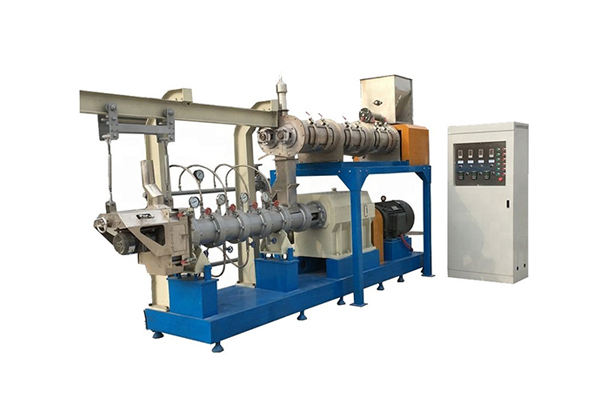
2. Extruded floating fish feed helps improve feed utilization. Due to the high-temperature and high-pressure processing conditions, the starch in the feed is gelatinized, and fats become more digestible and absorbable. This process also breaks down and softens fiber structures and cell walls, destroys harmful substances such as gossypol in cottonseed meal and antitrypsin in soybeans, thereby enhancing the palatability and digestibility of the feed. Additionally, due to the physical and chemical changes during extrusion, the powder content in extruded feed is generally kept within 1%, directly improving feed efficiency. Under normal circumstances, using extruded floating feed for fish farming can save 5–10% of feed compared to using powdered feed or other pellet feeds.
3. The use of expanded floating fish feed can reduce water pollution. Expanded floating fish feed does not dissolve in water for a long time, and high-quality floating fish feed can float for up to about 12 hours. Additionally, feeding can be easily observed and controlled, reducing or avoiding water pollution caused by powdered feed and leftover bait, which is extremely beneficial for both environmental protection and fish growth.
Extruded floating fish feed has broad application prospects. In terms of farming methods, extruded floating fish feed has wide applicability and can be used in pond fish farming, rice field fish farming, running water fish farming, cage fish farming, industrial fish farming, and large water surface intensive farming. Especially for mountain flat pond fish farming with low stocking density, rice field fish farming, and large water surface intensive farming, floating fish feed offers greater advantages over other feeds. In terms of farmed species, whether freshwater or marine fish, except for a few benthic fish that are extremely difficult to train to feed on the water surface, most fish can feed well on floating fish feed, such as perch, snakehead, ornamental fish, bullfrog, softshell turtle, turtle, channel catfish, and other premium species, as well as conventionally farmed grass carp, common carp, crucian carp, and other species. For species with special physiological functions, such as bullfrog and perch, using floating feed for farming is more convenient and demonstrates its superiority. By producing extruded floating fish feed tailored to the mouth size and nutritional needs of different species and growth stages, it can well meet the feed requirements of conventional farming and special aquaculture, benefiting both farmers and promoting production development.