Soy Textured Vegetable Protein Production Line
The textured soy protein production line uses low-temperature soybean meal, soy protein concentrate, or isolated protein as raw materials. Through mixing, conditioning, and high-temperature, high-pressure, high-shear extrusion, the spherical protein molecules are unfolded and reorganized, forming a textured protein product with lean meat-like fibrous structure and chewiness. The finished product has high nutritional value, excellent oil retention, water retention, and chewiness, is cholesterol-free, contains eight essential nutrients for the human body, and can be used after soaking in room-temperature water for 30 minutes. It is widely used in ham, sausages, canned food, fast food, and frozen food products.
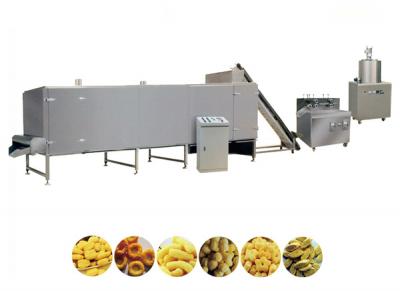
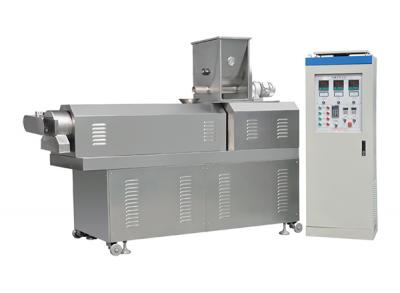
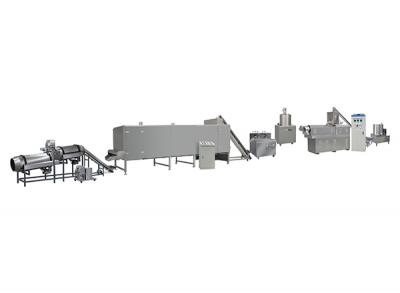
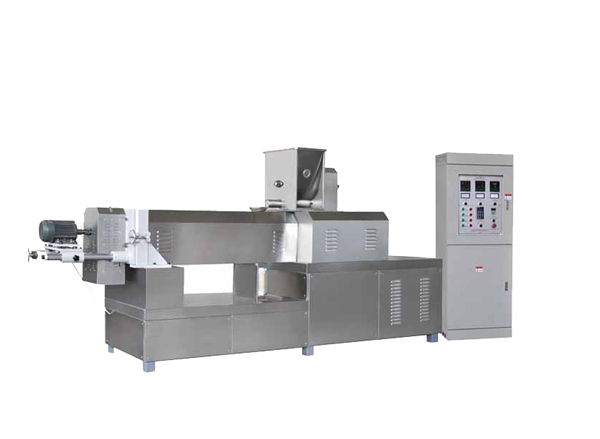
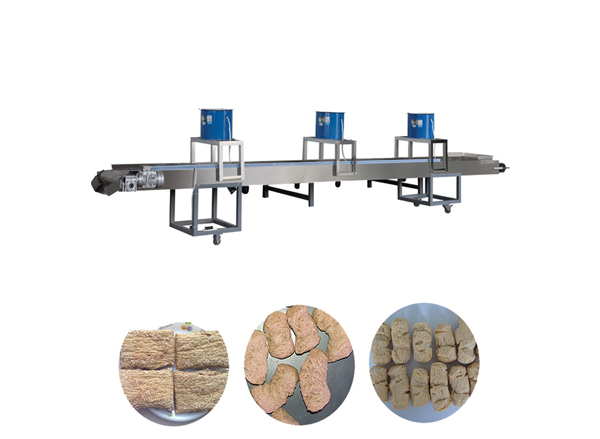
The equipment is developed through technological improvements both domestically and internationally, featuring a powder mixer, feeder, extruder, elevator, and multi-layer oven, with a high degree of automation for continuous production. The series includes three models from SLG65-S to SLG85-S, with production capacities ranging from 200-600 kg/h. The company provides recipe support, on-site installation training, and one-year warranty with lifetime maintenance service, making it an ideal investment for deep processing of plant protein.
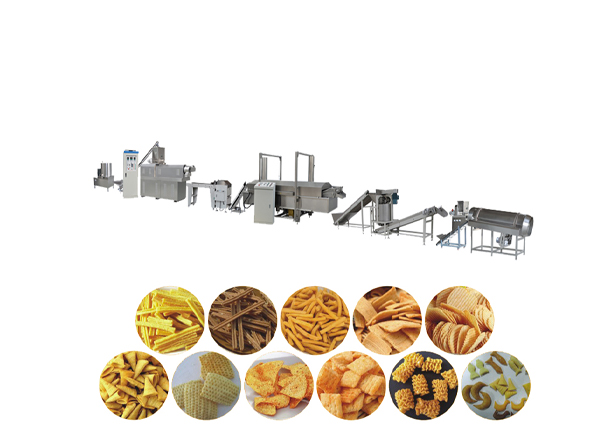
Textured vegetable protein can replace isolated protein in meat products, not only increasing the protein content of the meat products but also absorbing excess fat, making them less greasy and more meaty, achieving an economical and practical goal. The improved textured vegetable protein equipment from Jinan Datong Machinery is developed based on advanced domestic and international technologies, through experiments and research. The plant-based textured protein produced by this equipment has a good granular structure and can be soaked to make various flavored vegetarian foods. During the processing of textured protein, different flavorings can be added, which can then be incorporated into instant foods and snacks to create products with various flavors.
Characteristics of soy textured protein:
Currently, textured soy protein is mainly produced from defatted soybean flour, soy protein concentrate, or soy protein isolate as raw materials, through mechanical and thermal processes such as mixing, extrusion, and puffing. It has high nutritional value and good functionality, with the following characteristics:
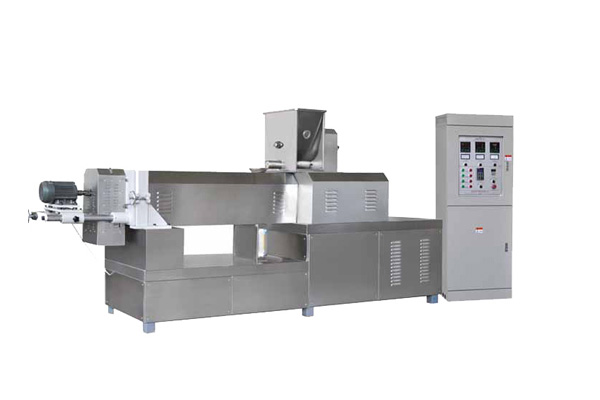
1. After extrusion and puffing in an extruder, the protein molecules are rearranged neatly, forming a unidirectional tissue structure similar to a porous meat-like texture, thus providing excellent water retention and chewiness.
2. After processing under short-term high temperature, high moisture, and high pressure, various harmful substances contained in soybeans are eliminated, improving the human body's ability to absorb and digest protein, and significantly increasing nutritional value;
3. During puffing, the rapid decompression and explosion at the outlet can remove the unpleasant odor of soybeans and reduce the gas-producing property of soybean protein after consumption;
4. Textured soy protein has good oil retention, making food products clean and non-greasy;
5. Convenient to use—simply soak in room-temperature water for 30 minutes, then add to make various foods;
6. Textured soy protein contains no cholesterol, so people with cardiovascular diseases can consume it with confidence;
7. Textured soy protein is an ideal plant protein, containing eight essential nutrients required by the human body;
8. Textured soy protein comes in shapes such as flakes, large chunks, and granules; in terms of color, it is available in natural and red, making its uses more versatile.
The textured protein production line uses low-temperature soybean meal and peanut meal as the main raw materials. Through grinding, mixing, conditioning, high temperature, high pressure, and high shear, the spherical protein molecules are unfolded into chains and reorganized, forming a new type of food with a meat-like fibrous structure and a chewy texture similar to lean meat. Its product has high nutritional value, the appearance and texture of meat, contains no cholesterol or animal fat, and has the characteristics of absorbing oil, water, and flavor. It is widely used in various industries such as ham, sausage, canned food, fast food, and frozen food.
I. Soybean textured protein production line process flow:
Raw material preparation → Mixing → Conveying → Extrusion puffing → Conveying → Drying → Cooling
II. Soybean Textured Protein Production Equipment Configuration:
Mixer → Feeder → Extruder → Elevator → Multi-layer Oven → Cooling Conveyor
3. There are mainly two production lines for textured protein processing machinery
Model Parameter |
SLG65-S Textured Vegetable Protein Production Line |
SLG77 Textured protein production line |
SLG85-S Vegetarian meat food production line |
Main Motor Power |
45KW |
75.0 |
110KW |
Installed Capacity |
100KW |
150 |
190KW |
Actual power consumption |
65KW |
95.0 |
140KW |
Production capacity |
200-260kg/h |
400-600kg/h |
|
Dimensions |
15×2.0×4.0 |
20.0*2.0*4.0 |
30.0×2.0×4.0 |
4. Composition of soy textured protein production process:
1. Powder mixer: Low-temperature soybean meal, isolated protein, and other mixed additives are thoroughly mixed with a certain proportion of water.
2. Feeder: Transports the mixed raw materials to the feed hopper of the extruder.
3. Extruder: After the raw materials enter the extrusion system from the feeder, pellets are produced, and different sizes of products can be obtained by changing the mold.
4. Elevator: Transports the products to the oven.
5. Multi-layer oven: Removes a certain amount of moisture to extend shelf life.
6. Cooling conveyor: Cools to room temperature for easy packaging.
Equipment quality control:
1. Pre-production Design Control
Technical personnel carry out scientific and reasonable design based on the actual conditions and requirements of the customer's factory, power supply, location, etc., combined with equipment testing conditions.
2. Spare Parts Selection Standards
For spare parts suppliers, strictly screen the products of suppliers and select manufacturers with high quality and low price in the same industry. On the premise of ensuring quality, reduce equipment manufacturing costs, truly allowing customers to purchase cost-effective equipment. For the same type of outsourced parts, ensure three suppliers to truly achieve survival of the fittest selection.
3. Production Control
After the sales department receives an order, it submits it to the technical department, which produces the corresponding CAD drawings for the equipment based on the order details. The production department arranges for relevant parts to be procured, produced, and processed according to the CAD drawing technical documents.
4. Equipment and Spare Parts Acceptance
There are dedicated quality control personnel who conduct batch sampling inspections on purchased and outsourced parts. For critical and precision parts, quality inspections are carried out.
For self-made parts, self-inspection, mutual inspection, and final inspection by processing personnel must be carried out, and they can only be put into use after all inspections are passed.
After the finished equipment is installed, after-sales technical personnel will conduct acceptance inspection. The equipment must run idle for more than half an hour on site, and only after no faults are found can it be loaded for on-site debugging. Ensure that each piece of equipment meets factory conditions and issue an equipment certificate.
VI. After-sales Service and Warranty
1. Installation Training: Free installation and debugging of equipment, free training on operation.
2. Warranty: The company provides a one-year warranty for this production line, offering repair and replacement of parts within one year for non-human-induced damage. Lifetime maintenance service is provided for the equipment.
3. Recipe: Free provision of basic textured protein recipes; also, customers can be introduced to learn professional recipes.
4. Accessories: Various molds can be provided according to customer needs, and various accessories for extrusion production equipment are offered at low prices year-round.