Application of puffing technology in the feed industry
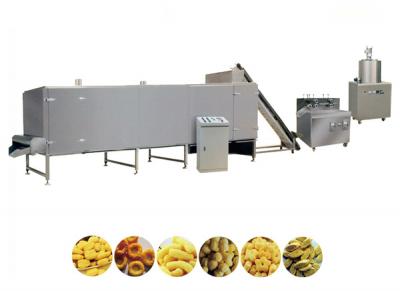
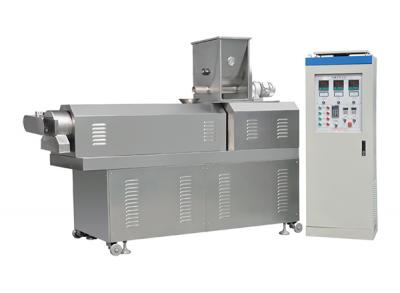
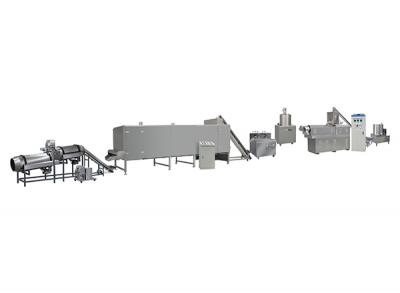
Extrusion technology originated in Europe and was first applied to the feed industry in the United States in the 1950s. By the 1980s, it had become a rapidly developing new feed processing technology abroad.The characteristics of puffing technology include enhancing feed palatability, sterilization and detoxification effects, improving the liquid absorption capacity of feed, pellet quality, and feed utilization efficiency.According to the number of screw components in the extrusion part, extruders can be divided into single-screw extruders and twin-screw extruders.According to whether steam or water is added to the material during the puffing process, it can be further divided into dry puffing machines and wet puffing machines.Dry extrusion machines use mechanical friction and compression to pressurize and heat materials. This method is often used for processing raw materials with high moisture and oil content, such as the extrusion of full-fat soybeans.Since many materials do not contain as much moisture and oil as full-fat soybeans, steam or water often needs to be added during the extrusion process, so wet extrusion machines are commonly used.
Moderate heating can improve the digestibility of protein, but excessive heating can instead reduce protein digestibility. This is because heating promotes the reaction between free amino acids and reducing sugars, with lysine being the most susceptible to loss, followed by arginine and histidine. Therefore, in the presence of reducing sugars, overheating of feed should be avoided, and it is crucial to control the appropriate degree of expansion. Extrusion can break the bonds between starch molecules in the feed, causing gelatinization and producing α-gelatinized starch. The higher the α-degree of corn starch, the more easily it is catalyzed and absorbed by enzymes in the animal body, while also improving the binding effect of the feed, which is particularly significant for the adhesion of aquatic feed. The special friction and shear forces inside the extruder can rupture oil cells, thereby increasing the digestibility of fats and raising the energy value. Extrusion inactivates lipases and lipoxygenases in the raw materials, inhibiting the degradation of oils and improving feed stability. The retention rate of vitamins during extrusion depends not only on their chemical structure but also largely on processing conditions. The general rule for the effect of extrusion conditions on vitamins is that as extrusion temperature increases, residence time in the extrusion chamber lengthens, moisture content of the extruded material decreases, and die aperture or gap size reduces, the loss of vitamins increases.
After extrusion processing, barley and oat feed can reduce protein solubility and increase rumen-bypass protein levels, thereby enhancing amino acid flow in the small intestine of ruminants, which positively affects animal production performance.
By utilizing puffing technology in combination with other physical, chemical, and biological techniques, the deep development and utilization of various industrial and agricultural by-products will be an important and effective way to address the shortage of feed resources in China. The application of puffing technology in feed resource development is currently mainly focused on conventional raw materials such as soybeans and their meal, corn, etc. Numerous studies have proven that it is entirely feasible and economical to replace part of the whey powder in piglet feed with extruded corn and to replace part or even all of the fishmeal or soybean meal plus oil with extruded full-fat soybeans. Using puffing technology to process animal products such as intestinal feather meal, blood meal, and fish meal can both improve protein digestibility and eliminate various bacteria and contaminating viruses. Additionally, it can be used for detoxifying cottonseed meal and rapeseed meal, increasing their proportion in animal feed. (Source: Zong Li, Agricultural Machinery, 2000, (6): 15-17. Edited by anonymous author)