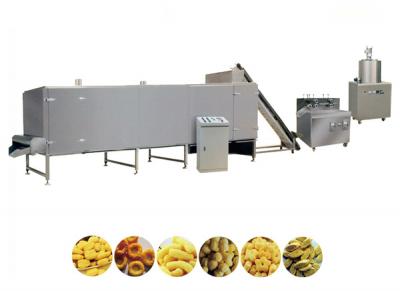
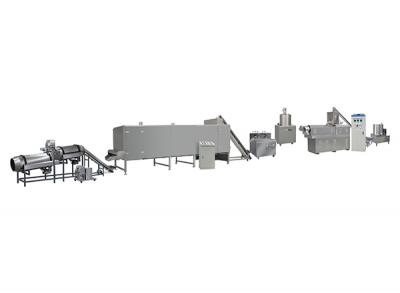
How to choose cost-effective puffing machinery with a limited budget?
In the food and feed processing industry, extrusion machinery is widely used. However, for many businesses or entrepreneurs with limited budgets, selecting cost-effective equipment is not easy. This requires not only a deep understanding of the equipment itself but also a comprehensive consideration of multiple dimensions based on actual needs. The following will introduce key selection points from several aspects.
How to choose cost-effective puffing machinery with a limited budget?
Clarify your own needs
Before selecting puffing machinery, it is essential to clarify production goals. For example, in food processing, determine whether to produce snacks like potato chips or shrimp crackers, or staple foods like corn flakes. The same applies to feed processing, where the requirements for different animal feeds vary significantly. Additionally, production capacity needs must be precisely calculated to determine the required output per hour or per day. For instance, a small food workshop may only need a few hundred kilograms per day, while a large processing plant may require several tons. After clarifying these needs, you can preliminarily identify suitable equipment models and scales, avoiding resource waste or insufficient capacity caused by blind selection.
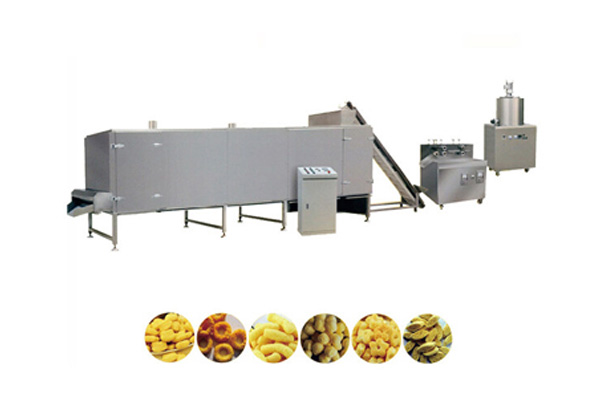
Inspect equipment quality
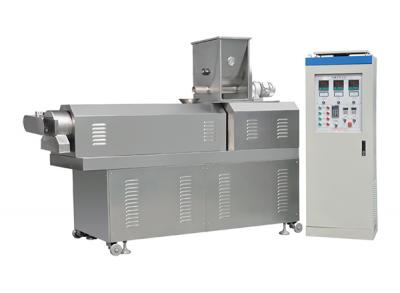
Although the budget is limited, the quality of the equipment must never be overlooked. Poor quality not only affects production efficiency but also leads to high maintenance costs later. First, pay attention to the material of the equipment. High-quality stainless steel is not only durable but also meets food hygiene standards, preventing material issues from affecting product quality. Second, examine the core components of the equipment, such as the screw and screw sleeve. The wear resistance and stability of these parts directly impact the equipment's lifespan. Furthermore, research the brand and reputation of the equipment. You can obtain actual usage feedback through online searches and peer exchanges, prioritizing brands with high market recognition.
Consider the price factor.
Compare the prices of puffing machinery across different brands and models within the budget. Do not only consider the initial purchase price of the equipment, but also take into account operating costs, including energy consumption and the cost of replacing wear parts. Some lower-priced equipment may have high energy consumption and require frequent replacement of wear parts, resulting in a high overall cost in the long run. At the same time, pay attention to the after-sales services provided by the equipment supplier, such as whether equipment installation, commissioning, maintenance, and repair services are charged and what the fee standards are. Some suppliers may offer slightly higher equipment prices but provide excellent after-sales services, which can save the company significant costs in the later stages.
On-site inspection and trial operation.
If possible, you can visit the equipment supplier's site for an on-site inspection and trial operation. An on-site inspection allows you to directly observe the equipment's production process, assembly quality, and other aspects. During the trial operation, check the equipment's operational stability for any abnormal noise, vibration, or other issues. At the same time, test the quality of the extruded products to see if they meet production requirements. Additionally, through on-site communication with the supplier, you can also learn about their technical capabilities and service levels.
When selecting cost-effective puffing machinery with a limited budget, it is essential to clarify your own needs and find a balance between quality, price, and service. Only in this way can you choose equipment that meets production requirements while creating good economic benefits for the enterprise, helping the company steadily advance in the fierce market competition.