Analysis of Food Extruder Malfunctions
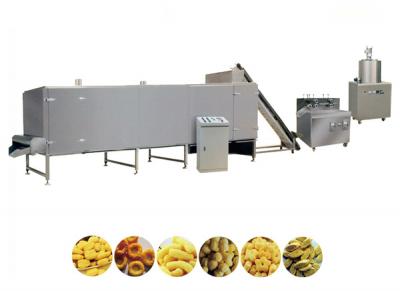
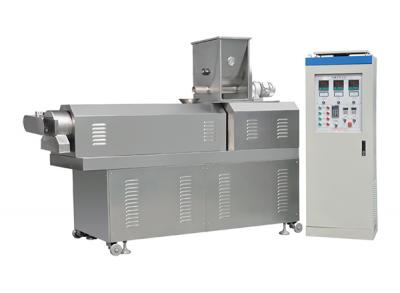
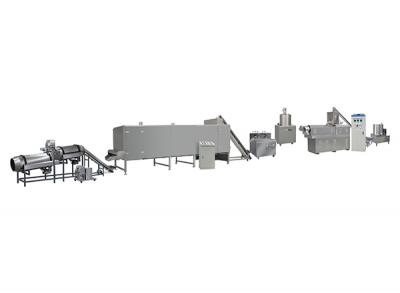
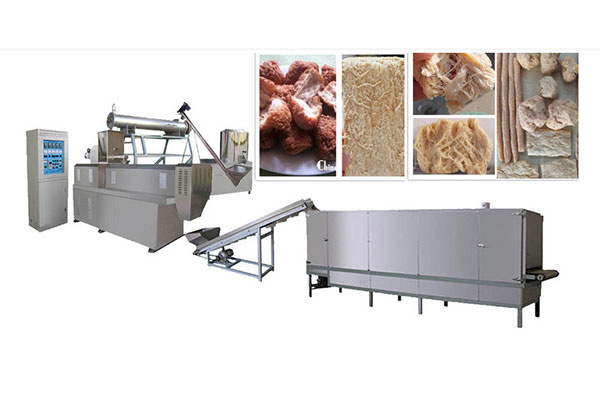
From the name 'Jinan extruder', it can be understood that this is a device for puffed food processing. The materials processed are usually common grains such as rice, corn, and soybeans. Its working principle is easy to understand: it converts thermal energy into mechanical energy. Since the food factory extruder needs to process materials, it also requires a long time to run a large quantity, which can lead to various malfunctions. What I will introduce today are the common faults.
i. Causes related to the extruder
1. The extractor feed stops due to the drag chain stopper;
2. The feeding system at the inlet of the extruder's feeding screw is not smooth;
3. The direct steam from the puffer is too high;
4. Reduce the feeding time of the extruder;
5. Countercurrent entering the dryer high-level alarm triggers the extruder feed screw interlock system shutdown; troubleshooting and handling methods for food extruder faults:
(1) The extruder should first shut off the direct valve of the extruder either via the computer or locally, and retract the conical die head.
(2) Used to process the slurry;
(3) Eliminate the cause of the system fault and clean the accumulated material at the feed screw outlet (when cleaning the screw, ensure the main control motor of the extruder and the feed screw are powered off and locked; be cautious of steam burns from role reversal).
(4) Unlock the electrical sub-unit.
2. Extruder belt slippage
1. The extruder drive control belt is too loose, causing severe slippage;
2. The extruder load is too high (large feed volume, small steam supply, cone head discharge, etc.)..
Solution:
(1) If slipping is caused by a loose belt, stop the extruder, contact the maintenance motor, and lock the belt at the break point.
(2) If the workload is too high, causing belt slippage in the enterprise, and if the belt slippage is severe, first retract the cone die, reduce the steam valve opening, and decrease the feed rate of the extruder. Wait until the extruder current drops to a normal operating level, then adjust the feed rate and steam volume to resume production. When re-entering the die, pay attention to changes in the extruder motor control current. After normal operation is restored, gradually increase the feed rate and steam volume until the extruder reaches full load production. If the belt slippage is minor, appropriately adjust the steam volume or feed rate. Generally, adjusting the steam volume is necessary.
III. Overload power outage during the extrusion process
1. The extruder itself directly closes the steam valve of the extruder, and the die cone is tapered to the extruder die head cylinder. Indirect steam heating and steam are released into the insulation material inside the extruder through the open holes on the extruder to prevent the material from sticking together after cooling behind the extruder, which would cause difficulty in power transmission to start the expander. If the expander cannot be started within half an hour, the machine must be turned manually to discharge the material inside the chamber.
2. In the event of a total power outage in the workshop, promptly open the bypass of the puffer steam pneumatic valve, close the direct steam valve of the puffer, and open the indirect steam valve of the puffer cylinder to heat the puffer and the material inside the chamber. Wait for subsequent processing after adjustment.
These are common troubleshooting steps for extruder feeding issues, which can correspond to real-world repairs based on these descriptions to avoid affecting the processing schedule. If you want to learn more about various aspects of extruders, you are welcome to consult Jinan Datong Machinery, and we will serve you wholeheartedly.