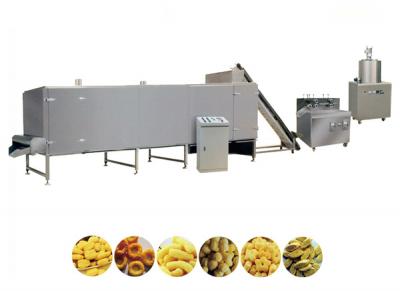
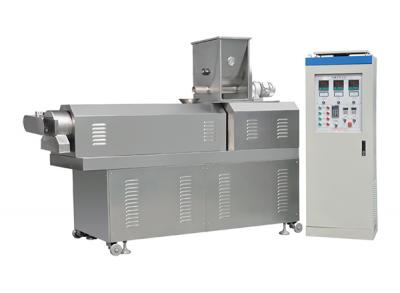
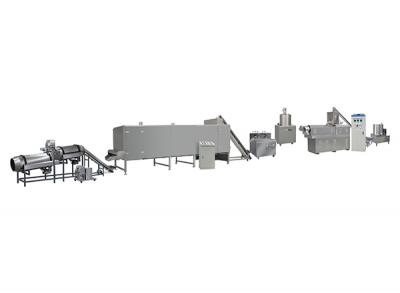
Catfish feed production line, fish feed production equipment, extruded fish feed production line
Catfish is a freshwater fish that not only contains rich nutrients like other fish, but also has tender meat with high protein and fat content. It has good dietary therapeutic effects for people who are weak, malnourished, or undernourished. With few bones, it is easy to prepare into various dishes and has become one of the fish species for large-scale farming in recent years. The floating catfish feed production line produced by Jinan Datong can produce a variety of catfish feeds based on the nutritional ratio required by catfish, allowing them to float on the water surface, reducing feed waste and lowering costs. It has been well received by customers for many years.
I. Process flow of floating catfish feed processing equipment:
Raw materials (corn flour, soybean meal, starch, fish meal, etc.) preparation → mixing → conveying → extrusion puffing → conveying → drying product → oil spraying → double-drum seasoning → cooling → screening → packaging machine. II. Floating catfish feed processing machinery configuration:
Crusher → powder mixer → screw conveyor → twin-screw extruder → conveyor → multi-layer drying system → spraying and seasoning machine → cooling conveyor → screening equipment → packaging machine. Fish feed size: 1.5mm, 2.0mm-10mm.
This production equipment can produce fish feed for catfish, grass carp, crucian carp, tilapia, ornamental fish, soft-shelled turtle, bullfrog, and other aquatic feed pellets.
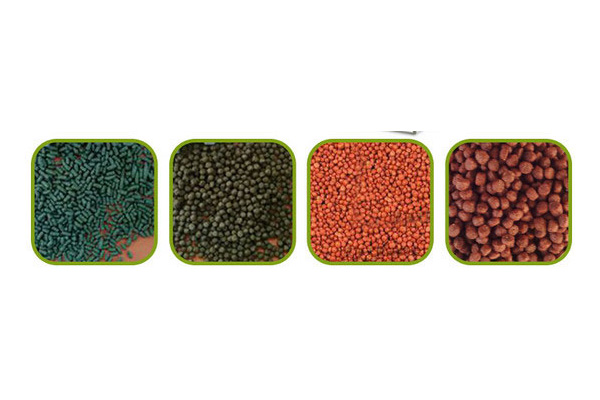
Catfish Feed Production Line, Fish Feed Production Equipment, Extruded Fish Feed Production Line IV. Composition of Floating Catfish Feed Processing Machinery:
1. Crusher: Crushes granular materials into starch raw materials.
2. Mixer: Thoroughly mixes raw materials such as corn flour, rice flour, bean flour, fish meal, meat meal, grain flour, and additives with the required moisture according to the formula.
3. Screw Conveyor: Uses a motor-driven screw to transport the mixed raw materials to the feeding hopper of the twin-screw extruder. This equipment facilitates convenient and fast feeding, saves labor, and is highly efficient.
4. Twin-screw extruder: Through the high-temperature and high-pressure environment inside the extruder barrel and the extrusion of the twin screws, the starch in the raw materials is fully extruded and combined, transforming it into nutrients that are easily absorbed by catfish. The feed is extruded through a die, and by adjusting the speed of the rotary cutter motor, fish feed of different lengths can be obtained. The specific particle size and shape are achieved by changing the die. The feed extruder adopts advanced variable frequency speed control technology, which is more energy-efficient and provides more precise speed control. The current and speed during motor operation can be directly viewed on the inverter panel.
5. Conveyor: Transports the produced feed to the multi-layer oven via a conveyor belt.
6. Multi-layer drying system: The oven is divided into electric ovens, fuel ovens, gas ovens, and steam ovens, with temperatures adjustable between 0-150 degrees Celsius via the control cabinet. The interior of the oven features a stainless steel mesh belt, ensuring smooth transportation and low failure rates. Feed pellets circulate through multiple S-shaped tracks to dry the moisture within them, which can extend the shelf life to a certain extent.
7. Spray seasoning system: The seasoning machine mainly includes an octagonal drum, single drum, high-low drum, double drum, and cylindrical drum. Different seasoning equipment is selected based on production volume and product characteristics. It is mainly used to spray oil and attractants on the product surface, coating the surface with grease and minced meat spices. Through spray seasoning, the burrs and rough edges on the surface of pellet feed can be further removed, making the feed surface smooth, glossy, and rich in color, aroma, and taste, thereby enhancing fish appetite.
8. Cooling conveyor: Through cooling and conveying, the temperature of the dried pellets can be sufficiently reduced, promoting the solidification of grease in the feed. Lowering the pellet temperature facilitates storage after packaging and extends the shelf life.
9. Screening machine: Through sufficient vibration of the screening machine, excess scattered materials and granular debris can be removed, ensuring uniform particle size. The screened substandard particles can be reused, improving product quality and recycling waste, thereby reducing costs and increasing product profitability.
10. Packaging machine: Used for packaging finished granular feed products. Both manual sealing machines and automated packaging machines can be used. For detailed information, please contact the manufacturer.
Catfish feed processing equipment --- Steps from design to finished product:
1. Pre-production Design Control
The design department analyzes and combines the actual production environment, including the customer's production site, factory building, water and electricity, along with equipment conditions, to carry out scientific and reasonable designs that meet the various requirements of customers.
2. Selection Standards for Required Parts in the Production Line
Regularly screen suppliers to select relatively stable manufacturers, ensuring product quality while maintaining after-sales support.
3. Product Production Process
After receiving the production order, the technical department designs, prepares materials, places orders, and assembles based on the sales order issued by the sales department.
4. Production Line Quality Inspection
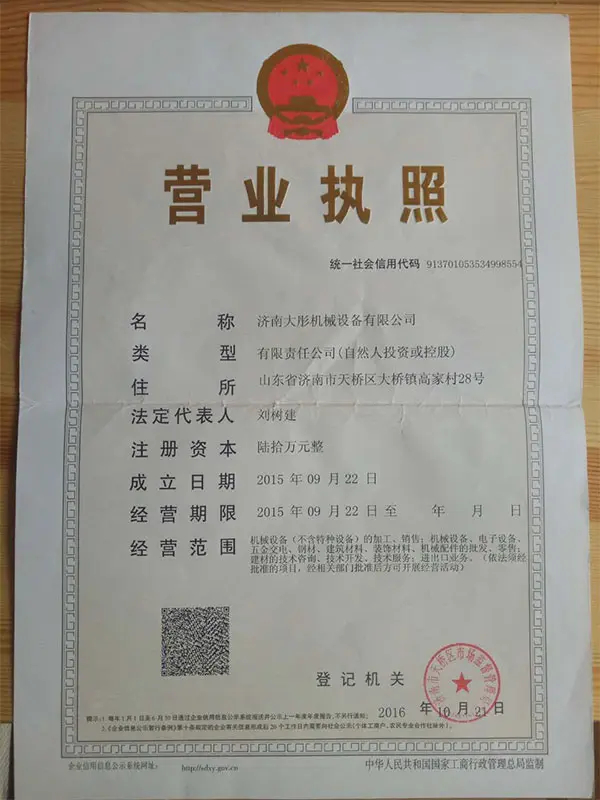
Jinan Datong has a dedicated quality inspection department. After finished products are stored in the warehouse, the quality inspection department conducts trial runs and adjustments. Before shipment, another adjustment is made to ensure the equipment operates normally. After the installation of the finished equipment is completed, after-sales technical personnel conduct acceptance checks. The on-site equipment is run without load for more than half an hour; only after no faults are found can it be loaded for on-site debugging. Each piece of equipment is ensured to meet factory conditions, and a product certificate is issued.