Working principle of food puffing machine
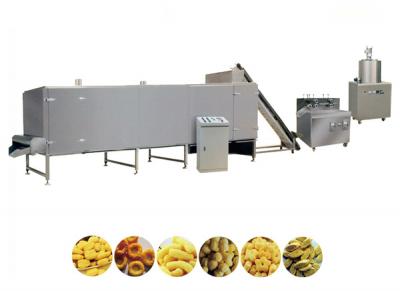
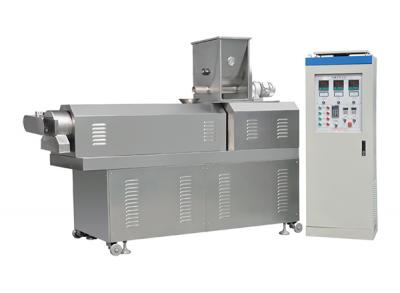
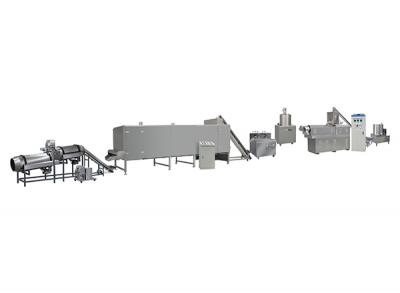
The working principle of a food extruder is relatively simple. It uses mechanical energy to transfer heat energy to provide kinetic energy. Typically, a non-standard unequal-pitch screw-type food extruder propulsion system is used. The gas in the material is rapidly expelled and filled. The material flows back under the action of shear force, causing the machine's inner bore to increase in pressure. Mechanical energy is converted into heat energy through the friction of the material within the cavity, turning the material into a fluid gel state.
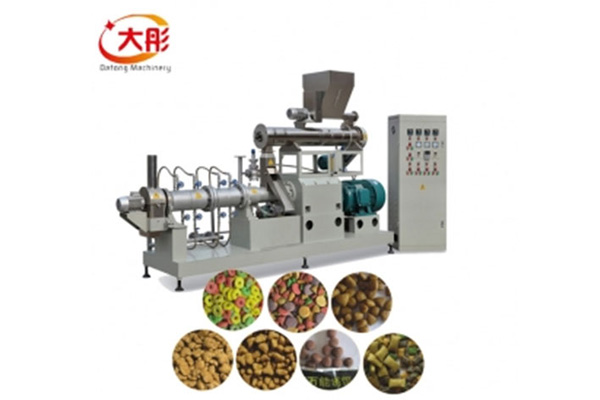
When the material is extruded to the outlet, the pressure changes from high to normal, and the temperature changes from high to normal, causing the moisture in the tissue structure to evaporate rapidly. The friction between the stack and the bin body causes the material to be fully mixed, squeezed, heated, cemented, and gelatinized, leading to structural changes. The original structure is destroyed, and a large number of microporous structures are formed inside. Then, through the cutting device, expanded food is formed when cutting and cooling the expanded food.
The homogenization of the food extruder changes the structure of unattractive materials into a more acceptable form.