Uses of puffing machines
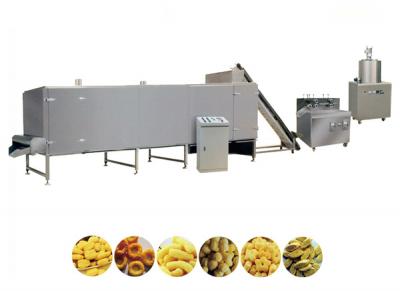
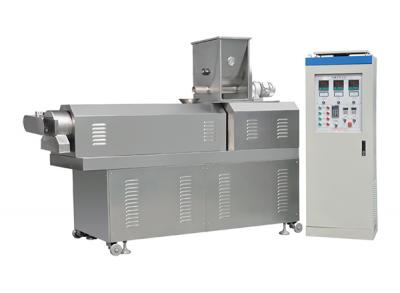
Due to differences in usage and equipment, there are three types of puffing machinery: first, using an extrusion puffing machine to produce small snacks from corn and potatoes; second, using an extrusion puffing machine to produce textured protein foods (plant-based meat) from plant protein; third, using grains, beans, or potatoes as raw materials to make staple foods after puffing. In addition to trial-producing direct-heating puffing machines, various puffed foods have also been trial-produced using refined grain puffing flour.
Puffing machinery, like general food machinery, must not only meet the production conditions required for mechanical equipment but also satisfy the special conditions required for food. Looking at the development needs of the industry, it can generally be considered from the following four aspects:
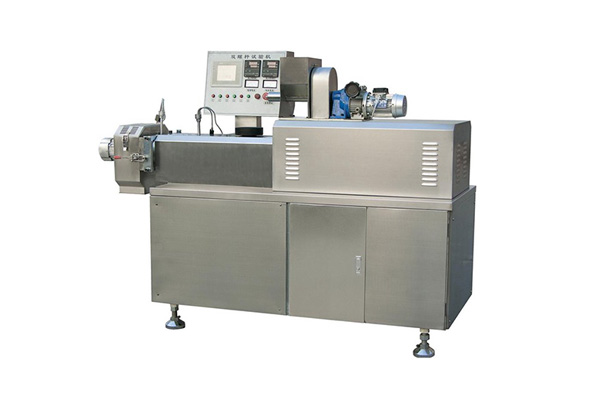
1. Planning suitability. The equipment used by China's puffed food processing enterprises is mainly divided into three scales: large, medium, and small. According to national industrial policies and industry development requirements, the focus is on developing medium and large-scale production, while small-scale production enterprises should be left to survive or perish according to market economic laws. However, the equipment produced by China's puffed food machinery manufacturing industry mainly serves medium and small enterprises, while a large number of large-scale complete sets of equipment are still imported.
2. Safety and Applicability. Safety and applicability refer to mechanical safety, production safety, and food safety in the processing of puffed food. First, mechanical safety refers to the condition where machinery does not cause harm, reducing mechanical risks to a low limit. Second, production safety ensures safe production, industrial hygiene, and the safety and health of employees during production. It regulates people's safe behaviors and the material conditions required for safe production from management, production technology, and equipment usage perspectives. Third, food safety. Dog food production equipment primarily involves aspects such as food hygiene, food quality, and food nutrition.
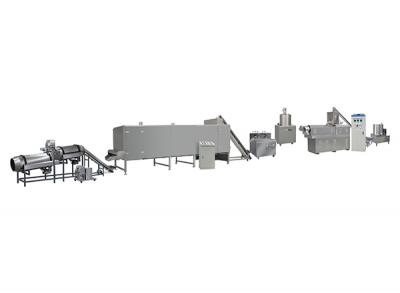
3. System applicability. In industrialized food processing, most operations lack standalone production and instead rely on integrated production lines. Therefore, system applicability is a crucial aspect to ensure continuous operation, balanced production, processing functionality, and product quality. The principle of system integration is to achieve reasonable economic scale, meet process technical requirements, and ensure proper matching between equipment and devices, so that the production line operates normally, safely, hygienically, with energy savings and convenient maintenance, ensuring the overall advancement, rationality, and reliability of the production line.
4. Hygiene suitability. This refers to the hygiene requirements for the mechanical structure during the design and manufacturing process of puffing machinery, primarily including hygiene requirements for the structural materials, surface structure, cleanability, durability, and inspectability of product contact surfaces and non-product contact surfaces. For the mechanical structure of food machinery, key control points for hygiene risks should be identified, and measures should be taken to ensure the hygiene requirements of the mechanical structure.
Is puffed food ultimately harmful to the human body? According to relevant authoritative sources, the puffing processing technique does not cause harm to the human body. People's inherent perception of puffed food stems from this lack of understanding; puffing is merely a physical processing technique. A preparation process has been developed for the production of puffed food, which not only updates the equipment but also strictly controls the food processing flow, so that we can recognize the true nature of puffed food and enjoy healthy, nutritious puffed snacks.