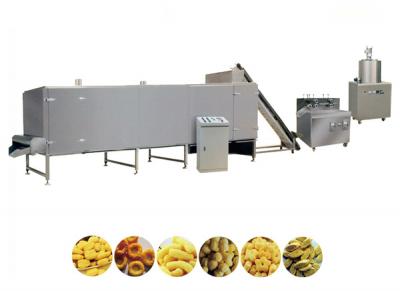
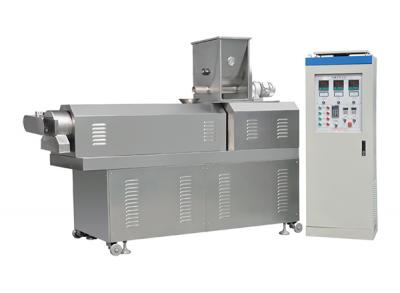
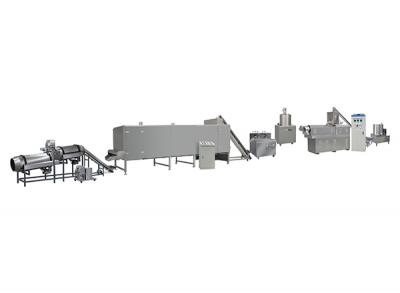
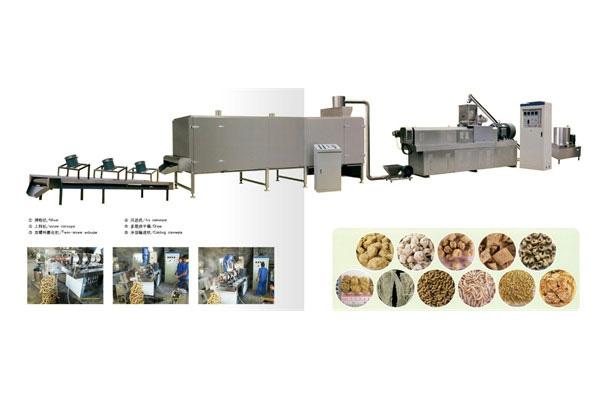
Production process of textured soy protein equipment
Soy textured protein is a high-quality plant protein extracted from soybeans. It has excellent nutritional value and functional properties and is widely used in the food, health products, and pharmaceutical industries. Its production process involves the following main steps:
1. Crushing
After cleaning, soaking, and cooking, the soybeans are crushed. Crushing breaks down the tissue structure of the soybeans, facilitating subsequent processes such as hydrolysis and separation.
2. Hydrolysis
Hydrolytic enzymes are added to the crushed soybeans for the hydrolysis reaction. Hydrolysis breaks down soybean protein polypeptide molecules into small peptide molecules or single amino acids, improving the usability and biological value of the tissue protein.
3. Separation
The hydrolyzed soybean slurry is subjected to separation processes such as centrifugation or pressure filtration to separate the soybean hydrolyzed protein liquid and residue. The hydrolyzed protein liquid contains high levels of textured protein and free amino acids, making it the main raw material for preparing soybean textured protein.
4. Precipitation
In the separated hydrolyzed protein liquid, methods such as acid-base adjustment are used to convert the textured protein to a neutral charge state, and then the textured protein precipitate is obtained through high-speed centrifugation, ultrafiltration, and other methods.
5. Washing
The textured protein precipitate is washed to remove impurities and salts from the precipitate, improving the purity and quality of the textured protein.
6. Drying
The washed tissue protein precipitate is dried using drying equipment to reduce moisture content, preparing the tissue protein into a dry powder.
7. Packaging
The dry powder is packaged using packaging equipment to improve the shelf life and storage quality of the tissue protein. During the packaging process, vacuum packaging or nitrogen preservation methods are generally used to prevent the tissue protein from oxidizing in the air and undergoing dehydration reactions, which could lead to quality degradation.
In summary, the production process of textured soy protein requires multiple steps, including grinding, hydrolysis, separation, precipitation, washing, drying, and packaging. Strict control and monitoring are necessary in each process to ensure that the quality and purity of the textured protein meet the requirements. At the same time, advanced technologies and equipment should be adopted to improve production efficiency and quality, providing better assurance for people's health.