The prospects of the puffed food machinery market driven by puffed food in the 21st century
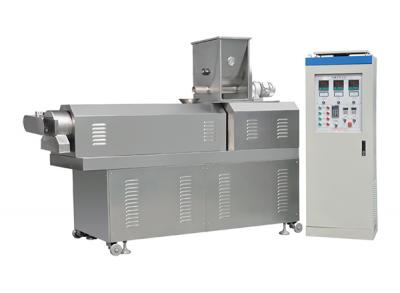
In 1856, when American Ward applied for a patent on puffing, he certainly did not expect that a century later, puffing technology would be applied to so many fields: plastics, feed, food, chemicals, pharmaceuticals, oil processing, and more; nor did he anticipate that the extrusion puffing machine would evolve from a single screw to a twin screw, and that twin-screw extruders would come in so many forms, such as non-intermeshing co-rotating, non-intermeshing counter-rotating, intermeshing co-rotating, and intermeshing counter-rotating. More and more people have come to recognize the magic of extrusion puffing, and more and more food raw materials have skyrocketed in value after undergoing extrusion puffing.
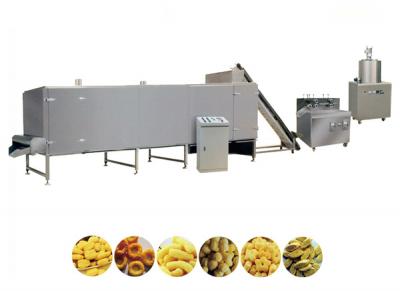
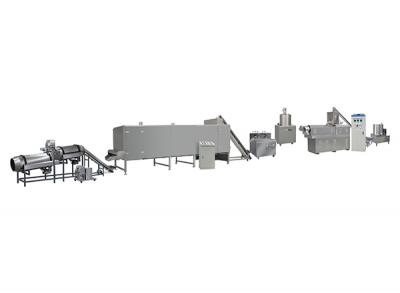
Puffed food is one of the categories. Puffed food, with its delicious and crispy texture, convenient portability and consumption, wide applicability of raw materials, and diverse flavors, has increasingly become a favorite among consumers. As people's living standards continue to improve, it has become an important part of the food industry with huge market potential. The market demand for puffed food has also driven the development of mechanical equipment.
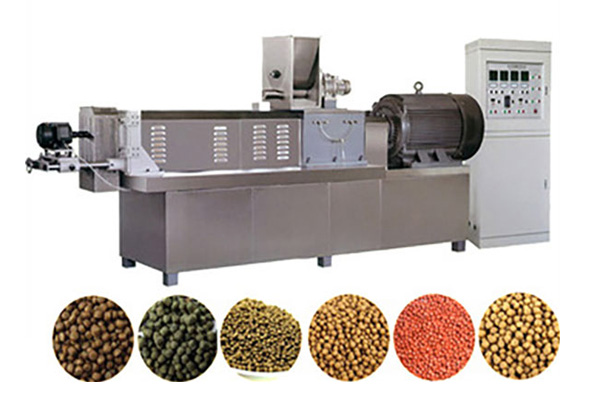
The classification of puffing machines varies depending on their use and equipment. Puffed food has the following three types:
First, using extrusion puffing machinery to produce snacks from corn and potatoes; second, using extrusion puffing machinery to produce textured protein foods (plant-based meat) from plant protein; third, using grains, legumes, or potatoes as raw materials, which are puffed to make staple foods. In addition to developing an indirect heating puffing machine, various puffed foods were also trial-produced using refined grain puffing flour.
Current Status of Food Extruders: Over the past two decades, domestic single-screw extruders have been represented by those produced by certain Chinese companies. Despite their limited functionality and processing capacity, they have managed to survive in the domestic market, which is dominated by twin-screw extruders from internationally renowned companies such as Wenger (USA), Buhler (Switzerland), and Clextral (France), thanks to their low prices. After all, industry insiders are well aware that twin-screw extruders offer irreplaceable advantages in quality control and processing flexibility. They also know that twin-screw extruders impose extremely stringent requirements on screw material, pitch, helix angle, root diameter, torque, blade cross-section design, and the precision of tightly interlocking modular segmented screws.