Aquafeed Extruder Price
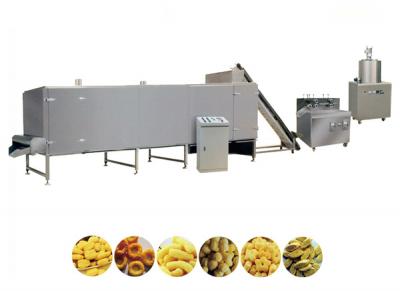
The aquatic feed extruder is a type of pellet feed that has become popular in the aquaculture industry in recent years, operating on a principle similar to that of a popcorn machine. Due to the inherent advantages of extruded fish feed and the significant development gap in China's domestic aquaculture industry, extruded fish feed represents a highly promising production project. The extruded fish feed production line manufactured by Datong Company, having undergone years of testing in both technology and output, is increasingly favored by customers. It is a powerful assistant for your prosperity.
A. Process flow of extruded fish feed processing equipment:
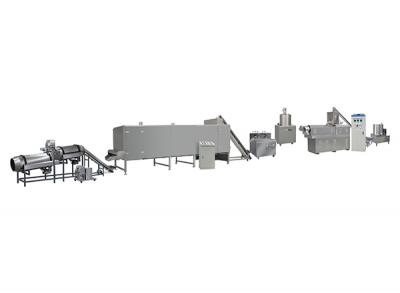
Raw material crushing → Raw material mixing → Blending and stirring → Conveyor → Twin-screw feed extrusion → Conveying → Baking and drying → Oil spraying → Dual-drum seasoning system → Cooling and conveying → Screening → Storage bin → Packaging B. Features of Datong fish feed production line:
1. Palatability: The feed produced by the Datong fish feed production equipment undergoes extrusion processing, which enhances the natural aroma of the raw materials and effectively improves palatability, stimulating animals to have a better appetite.
2. Digestibility: The feed produced by Datong fish feed production equipment undergoes extrusion processing, which increases the degree to which organic substances such as protein and fat in the raw materials are converted from long-chain structures to short-chain structures. After extrusion, the starch in the feed is gelatinized into a loose, porous form, making it easier to digest. 3. Quality Improvement: The feed produced by Datong fish feed production equipment undergoes extrusion processing, where high temperatures reduce the content of bacteria, molds, and fungi in the raw materials, effectively improving the hygienic quality of the feed. This provides sterilized, cooked feed for fish, thereby reducing the risk of disease in fish and minimizing the need for pharmaceutical additives.
4. Cost reduction: Puffed starch produces modified starch with strong water absorption and bonding functions. Due to its strong adhesion, the formula can select more cost-effective raw materials with the same effect to replace expensive ones, reducing costs without affecting product quality.
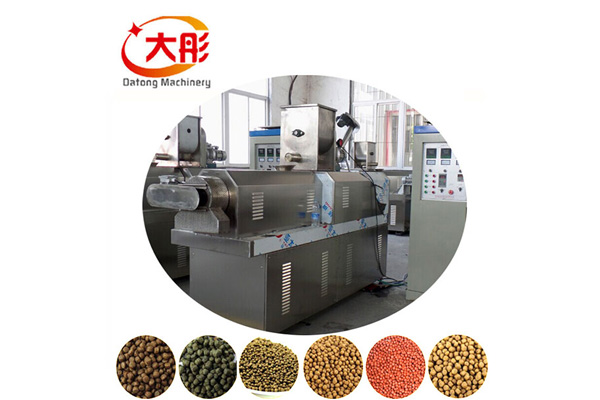
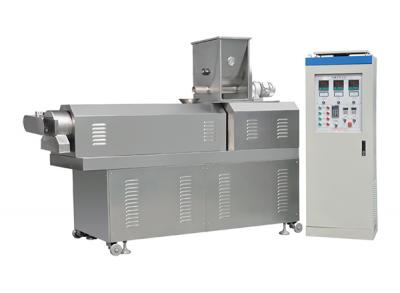
5. Variable frequency speed control: This production line uses variable frequency adjustment, and the control cabinet allows intuitive monitoring of the production line's operation, making it smarter and more intuitive.
6. Easy to learn: This production line is installed and tested by engineers, who teach customers on-site how to use it, making it simple, easy to learn, and easy to operate.
7. Self-cleaning screw: The screw inside the main machine barrel of this production line undergoes special treatment for self-cleaning, ensuring hygiene and saving labor. 8. High cost performance: The main machine of this production line is a multi-functional extruder. By changing molds of different shapes, it can produce products of various shapes, and after-sales product upgrades can be provided based on actual conditions to change product output.
9. Feed size: This production line can adjust the feed size from 1mm to 10mm by adjusting the cutting speed.
10. Palatability: The effective feed utilization rate is high. The extruded fish feed undergoes high-temperature extrusion sterilization in the extruder, with stable starch gelatinization and fat content. The extruded fish feed improves palatability, is easier to digest, and has a longer shelf life.
11. Energy-saving and low pollution: This production line is powered by electricity, a clean energy source with minimal pollution. It can operate as long as three-phase electricity is available.
12. Product diversity: This production line can also serve as: guppy feed production line, betta fish feed production equipment, aquatic feed production line, fish feed production line, extruded fish feed production line, turtle feed production line, various ornamental fish feed production equipment, tilapia production equipment, grass carp feed production line, parrot feed production equipment, carp and crucian carp feed equipment, snakehead fish feed production line, fish food equipment, bullfrog feed production line, and shrimp feed production equipment.
C. Configuration of extruded fish feed processing machinery and equipment:
Crusher → Mixer → Feeder → Twin-screw feed extruder → Conveyor → Multi-layer drying equipment → Seasoning line → Cooling conveyor → Vibrating screen → Packaging machine D. Main functions of the components in extruded fish feed processing machinery:
1. Mixer: Mainly includes powder mixer, blender, and mixing machine. Its primary function is to fully mix and blend raw materials according to the formula proportions.
2. Feeder: Screw feeder. It conveys the mixed raw materials via a screw mechanism into the feed hopper of the twin-screw extruder, preventing material waste. This equipment enables convenient and quick feeding, saves labor, and has high efficiency.
3. Twin-screw feed extruder: It extrudes and expands the mixed raw materials into shape.
4. Conveyor: Transports the produced feed pellets into the multi-layer drying equipment.
5. Multi-layer Oven: The oven is divided into electric, fuel, gas, and steam ovens, with temperatures ranging from 0 to 150 degrees Celsius, adjustable via the control cabinet. The interior of the oven features a stainless steel mesh belt for smooth conveying. Feed pellets pass through multi-layer S-shaped tracks in a cycle, drying them to a safe moisture content to extend shelf life.
6. Spray seasoning line: The oil sprayer sprays oils, attractants, etc. The seasoning drum includes octagonal drums, round drums, single drum elevators, and double drum seasoning lines. Configured according to output and product properties, it sprays oil on the feed surface while evenly spraying minced meat and spices. This process also removes burrs and rough edges from the feed pellet surface, making it smoother.
7. Cooling conveyor: Reduces the surface temperature of dried feed pellets, promotes fat solidification, lowers pellet temperature to reduce steam and moisture content, facilitating packaging and storage.
8. Vibrating screen: Screens out excess external powder and pellet debris, ensuring quality while enabling reuse of raw materials.
9. Packaging machine: Manual sealing machine and automatic packaging machine can be used. For details, please contact the manufacturer.
Extruded fish feed processing equipment --- Equipment quality control:
1. Pre-production Design Control
Technical personnel carry out scientific and reasonable design based on the actual conditions and requirements of the customer's factory, power supply, location, etc., combined with equipment testing conditions.
2. Spare Parts Selection Standards
As a supplier of spare parts, we strictly screen the products from suppliers and select manufacturers with high quality and low prices in the same industry. While ensuring quality, we reduce equipment manufacturing costs, truly allowing customers to purchase cost-effective equipment. For the same type of outsourced parts, we ensure at least three suppliers, truly achieving survival of the fittest in procurement.
3. Production Control
After the sales department receives an order, it submits it to the technical department, which produces the corresponding CAD drawings for the equipment based on the order details. The production department arranges for relevant parts to be procured, produced, and processed according to the CAD drawing technical documents.
4. Equipment and Spare Parts Acceptance
There are dedicated quality control personnel who conduct batch sampling inspections on purchased and outsourced parts. For critical and precision parts, quality inspections are carried out.
For self-made parts, self-inspection, mutual inspection, and final inspection by processing personnel must be carried out, and they can only be put into use after all inspections are passed.
After the finished equipment is installed, after-sales technical personnel will conduct acceptance inspection. The equipment must run idle for more than half an hour on site, and only after no faults are found can it be loaded for on-site debugging. Ensure that each piece of equipment meets factory conditions and issue an equipment certificate.