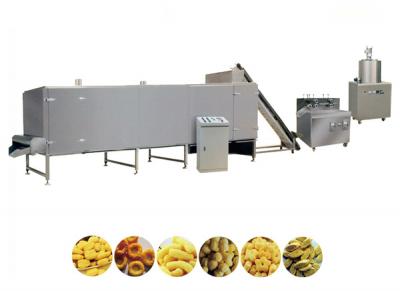
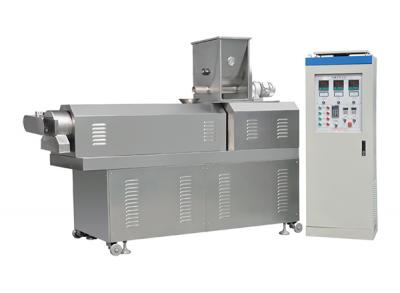
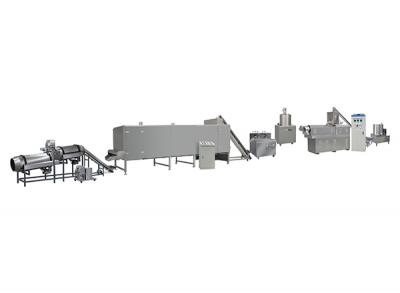
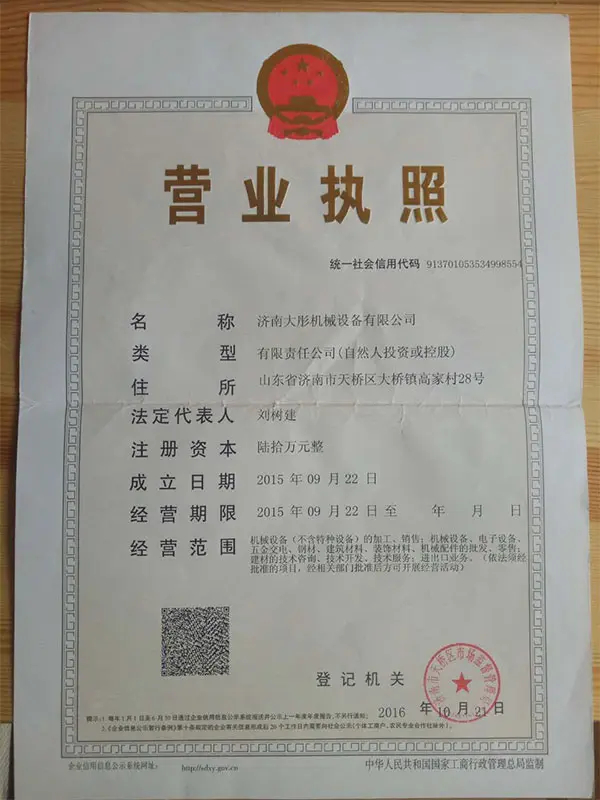
Jinan Datong Puffed Feed Machinery Equipment
Granule Puffed Feed Machine Instruction Manual
I. The granule puffing machine is suitable for raising fish, shrimp, frogs, pigs, ducks, etc. The puffed feed produced by the puffing machine is puffed, soft, and cooked, with high protein content, complete nutritional components, and can float on the water surface for a long time without wasting feed. Adding trace elements promotes rapid fish growth.
II. Add wheat bran, corn flour, soybean meal, fish meal, etc., along with compound premix, according to the formula. Add 10–17 jin of clean water per 100 jin of ingredients, put them into the mixer and mix evenly for about 3–5 minutes. Start the mixing auger to draw the mixture into the storage bin, and then use the storage bin auger to feed it into the puffing machine inlet. Pay attention to controlling the storage bin gate, gradually increasing from small to large.
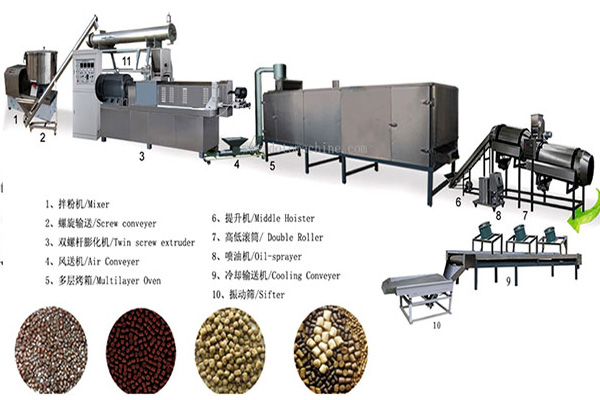
3. Cutting part: The size of the cut pellets is determined by the outlet holes. For puffing, a diameter of about 4.5 cm is typical, with 4–5 holes opened. For high output without puffing, 10–15 holes can be opened. The small motor can be adjusted forward and backward. The blade should be oriented in the forward direction. When feeding, it is best to start with 3–5 jin of feed mixed with more water as a primer.
4. After each batch of material is processed, disassemble the front cutting section. Use a tool to immediately remove the nuts on the extruder head, then restart the motor to let the excess feed flow out. Clean the nut and orifice plate.
Characteristics of feed extrusion machinery:
★ Internationally advanced cutting structure, using a blade shaft positioning spring combined cutting mechanism to achieve stepless speed regulation, allowing the extruded material to be cut into any desired length of product.
★ Novel and unique design, simple structure, easy to assemble, disassemble, and operate.
★ The screw and screw are made of special wear-resistant, high-temperature, and high-humidity material 38CrMoAl, which is first quenched and tempered, then heat-treated to shape, offering advantages of wear resistance and long service life.
★ Equipped with a unique built-in pressure-boosting die device to ensure feed output and quality; the electric heating device improves feed expansion rate.
★ The main shaft bearing combination uses NSK and SKF bearings to ensure the safety and reliability of the extruder.
★ The main motor adopts a high-quality Y-series three-phase motor to ensure strong power; the reducer works in conjunction with the main motor to guarantee ample power. ★ The produced floating pellet extruded feed can stay on the water surface for at least 12 hours without disintegrating, making it easy for fish and livestock to eat and digest. It allows convenient observation of the feed intake of frogs and fish, prevents feed waste, and avoids water pollution. The material undergoes high-temperature and high-pressure treatment to effectively kill harmful bacteria such as E. coli and Salmonella, ensuring feed hygiene, facilitating protein denaturation and absorption, and starch gelatinization, making it easier for fish and livestock to digest. Generally, using extruded floating fish feed can save 8%–15% of feed compared to powdered or pelleted feed.
★ The production of cooked sinking aquatic and livestock pellet feed can eliminate most toxins and anti-nutritional factors such as antitrypsin and urease in the material, thereby facilitating animal digestion and absorption, and improving the digestion and utilization rate of nutrients.
Scope of application: Suitable for frog, aquatic, ornamental fish, and pet feed farmers, as well as small and medium-sized feed mills and research institutions.
Troubleshooting and Repair Methods
I. Abnormal noise from the machine body, damaged or worn bearings, lack of oil. Repair method: Disassemble the large pulley and the front discharge part, then hammer out the main shaft forward or backward. First install the rear bearing as originally, tighten the rear cover screws, then install the front bearing. Replace the oil seal and add lithium-based lubricating oil; do not use engine oil.
2. The screw (propeller) generally wears out after producing about 100,000 jin, leading to decreased output and loss of puffing. Solution: Replace with a new screw (propeller). The sleeve is more durable than the propeller. Generally, a new propeller is paired with an old sleeve, and a new sleeve is paired with an old shaft (propeller).
3. If the discharge hole is too large, switch to another hole.
4. If the discharge nut cannot be removed for other reasons, use a tool hook to remove the sleeve, clamp it with pliers, and heat it with oxygen to remove it.
Buyer's Notes
Due to varying distances between regions, logistics costs also differ. The prices quoted for our store's products do not include shipping fees. For detailed shipping costs, please contact customer service 1. The price marked for this product does not include shipping; shipping costs are borne by the buyer 2. Shipping fees can be paid upon delivery; when the goods arrive, pay the logistics company directly to pick them up.
3. Buyers from other regions need not worry about installing and debugging the feed extrusion machinery; the machines are installed and debugged before being shipped to you.
Warranty issue: All extrusion equipment complies with the national three-guarantee standards.