Advantages of extruded feed pellets in aquaculture
1. Extruded feed has good palatability, effectively preventing feed segregation and ensuring that uneven nutrient distribution does not affect usage effectiveness. 2. The various pressures and mechanical actions during the extrusion process can increase the gelatinization degree of starch in the feed, destroy and soften part of the fiber cell walls, denature proteins, improve fat stability, and enhance the digestibility and utilization rate of the feed. At the same time, fat penetrates from the inside of the particles to the surface, giving the feed a special aroma that helps increase animal appetite.
3. After high-temperature and high-pressure extrusion, feed raw materials can kill various harmful bacteria, thereby effectively reducing the occurrence of digestive tract diseases in animals.
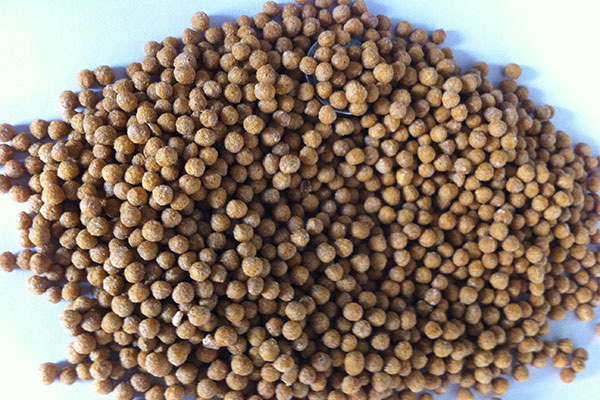
4. It can produce expanded feed with various sinking speeds, such as floating, slow-sinking, and sinking types, to meet the different living habits of aquatic animals, reduce feed loss, and avoid water pollution.
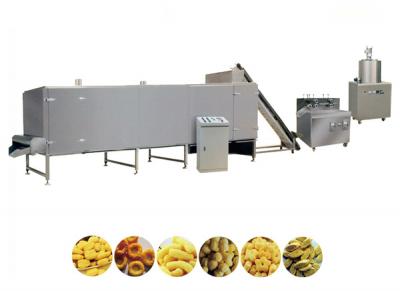
5. Products of various shapes can be produced according to animal preferences. For example, cat feed can be made into fish shapes, and dog feed can be made into bone shapes, thereby greatly improving the appearance and palatability of the feed.
6. For young animals with underdeveloped digestive organs or fur-bearing animals with relatively short digestive systems that struggle to digest complex feed, expanded feed, which is easier to digest and absorb, can be used.
7. It plays a special role in the development and utilization of feed resources, such as using an extruder to produce full-fat soybean powder, expanded feather meal, blood meal, etc.; 8. Extruded feed has low moisture content, making it easy to store for long periods.