7 performance indicators that feed mills must pay attention to when selecting feed extrusion machinery
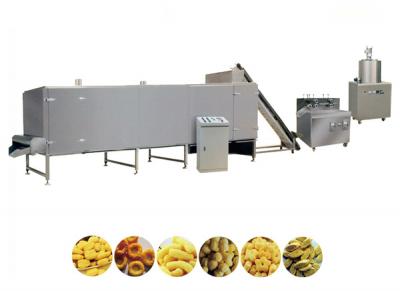
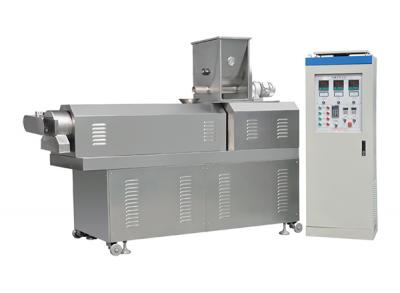
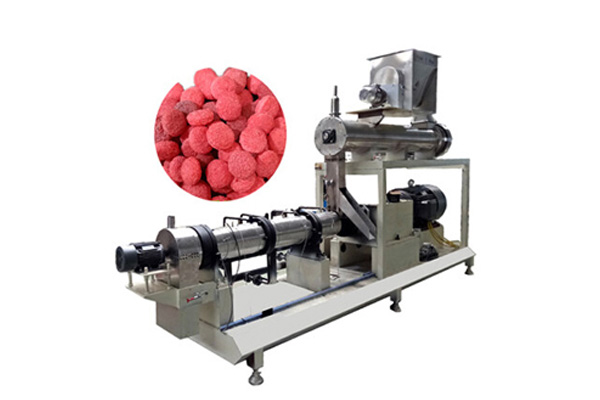
As a key piece of equipment in feed processing, the performance of the feed extruder directly affects feed quality, production efficiency, and the economic benefits of the enterprise. Therefore, when selecting a feed extruder, feed mills must comprehensively consider the following seven core performance indicators to ensure the equipment meets production needs and enhances market competitiveness.
1. Expansion Degree and Gelatinization Degree
Expansion degree and gelatinization degree are important indicators for measuring the extrusion effect of feed. The expansion degree reflects the volume expansion of feed particles, and a high expansion degree helps improve the digestibility and absorption rate of feed; the gelatinization degree refers to the extent of starch gelatinization and protein denaturation under high temperature and high pressure, which is crucial for the nutritional value of feed and animal health. When purchasing, equipment that can stably achieve the target expansion degree and gelatinization degree should be selected to ensure feed quality.
2. Production capacity and efficiency
Production capacity is an important parameter of feed extruders, as it directly affects the production scale and economic benefits of an enterprise. Efficient extruders can process more raw materials per unit time, reducing production costs. Therefore, when selecting equipment, it is necessary to choose a machine with matching capacity and high operational efficiency based on the actual production needs of the enterprise, avoiding resource waste caused by excess or insufficient capacity.
7 performance indicators that feed mills must pay attention to when selecting feed extrusion machinery
3. Energy Consumption and Energy Efficiency
With rising energy costs, energy consumption has become a key concern for feed mills. A high-quality feed extruder should have efficient energy conversion to minimize unnecessary energy loss. When selecting, attention should be paid to parameters such as motor power and thermal efficiency, and priority should be given to products that adopt advanced energy-saving technologies to reduce long-term operating costs.
4. Stability and Reliability
The stability and reliability of the equipment are key to ensuring continuous production. During prolonged operation, the feed extruder must withstand high temperatures, high pressure, and material wear. Therefore, its structural design, material selection, and manufacturing process must meet high standards. When purchasing, one should consider the equipment's failure rate, maintenance cycle, and after-sales service system, and choose brands and models that have been market-verified and have a good reputation.
5. Adjustment Flexibility
Different animal species, growth stages, and feeding environments have varying feed requirements. Therefore, the feed extruder must have good adjustment flexibility to accommodate different formulas and process parameter adjustments. This includes the ability to adjust temperature, pressure, rotation speed, feeding rate, and other aspects to meet diverse production needs.
6. Level of Automation and Intelligence
With the advent of Industry 4.0, automation and intelligence have become development trends in the feed processing industry. Advanced feed extruders should be equipped with automated control systems to achieve precise control and remote monitoring of the production process. At the same time, intelligent functions such as fault warnings and data analysis can further enhance production efficiency and equipment management, reducing human operational errors.
7. Environmental Friendliness and Cleanliness
The increasingly stringent environmental regulations have imposed higher requirements on the feed processing industry. Pollutants such as noise, dust, and exhaust gases generated during the operation of feed extruders must be effectively controlled. When selecting equipment, attention should be paid to noise reduction design, dust removal systems, and exhaust gas treatment devices to ensure compliance with environmental standards, thereby creating a green and sustainable production environment for the enterprise.
In summary, when selecting a feed extruder, feed mills need to comprehensively consider multiple dimensions such as expansion and gelatinization degree, production capacity and efficiency, energy consumption and energy saving, stability and reliability, adjustment flexibility, automation and intelligence level, as well as environmental protection and cleanliness. Through scientific selection, not only can feed quality and production efficiency be improved, but operating costs can also be reduced, enhancing the market competitiveness of the enterprise.