Anhui Yingkeshi Dog Food Factory
Yingkeshi Feed Processing Plant in Suzhou City teaches you how to choose good dog food!
Methods/Steps
First look: Good natural dog food will not have excessive oil on the surface. However, it has a dense texture and has not been puffed. A lot of oil on the surface indicates excessive animal fat or surface oil spraying. Fresh meat does not ooze too much oil. Another type of dog food has an overly dry surface and a very light and loose texture, which means it has been puffed. The nutritional content of such dog food is predictable.
Second, smell: Good natural food has a relatively mild scent. It smells like natural food, and anything with a very strong odor is unlikely to be natural food. Avoid choosing food that smells very fragrant, has a gamey or fishy smell, or has a strong greasy odor. Overpowering smells are the result of spices and additives. Natural ingredients do not have strong odors, so do not fall into the misconception that only fragrant-smelling food is good.
Three Tastes: Good natural food has no off-flavor when chewed. Remember the three 'no's: not oily, not fishy, not salty. This basically means it's real natural food. In terms of texture, natural food is relatively dense but crunchy when chewed, and easy to break apart. Also three 'no's: not hard, not leathery, not chaffy. Remember these tips; next time you buy dog food, you can taste it for your pup first, so we can judge the quality of the dog food in advance.
Four observations of stool: Experienced pet owners can already judge the quality of dog food in advance. However, the true quality is determined by the dog, which means observing the dog's stool. Good dog food may not look oily, but the stool is very shiny. Dog food with more meat usually results in darker stool color. Of course, it should also be well-formed, neither too soft nor too hard. Low-quality dog food generally leads to dry, loose, and light-colored stool. Such stool indicates that the dog has consumed too much grain without enough nutritional content.
Let's talk about the choice of flavors. Currently, dog food is generally divided into three categories. White meats: such as chicken, duck, turkey, and other poultry; red meats: such as beef, lamb, venison, and other livestock meats; fish meats: such as salmon, trout, mackerel, and other fish. White meats are less likely to cause heatiness and are easier to digest, but they have lower calorie content. Red meats are high in nutrients, suitable for dogs to gain weight, but they do not benefit the coat. Fish meats are good for coat health and are rich in nutrients, but should be used with caution for dogs allergic to fish. Owners can choose according to their needs.
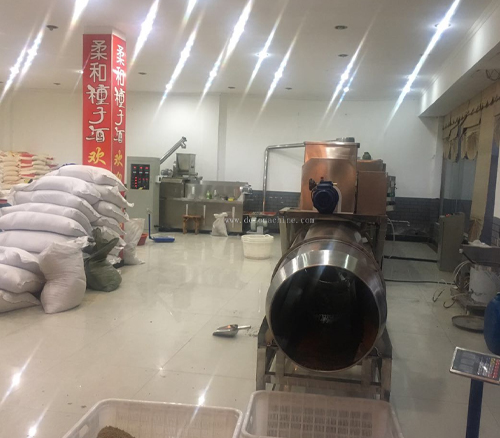
A corner of the production workshop at Inkers Dog Food Processing Factory